Metal Museum opened the doors to its new home in Overton Park, inside the former Memphis College of Art building 2026
Last weekend, the Metal Museum opened the doors to its new home in Overton Park, inside the former Memphis College of Art building. For Memphis, it is an important expansion of one of the city’s strongest arts organizations. For me, it is also personal.
I attended Memphis College of Art, and I have a lot of fond memories tied to that building. Rust Hall was more than classrooms, studios and hallways. It was a place where people learned how to turn ideas into something real. When MCA closed in 2020, Memphis lost an institution, but it also left a question hanging over Overton Park: What would happen to a building created for artists?
Now we have an answer. Artists are making things there again.
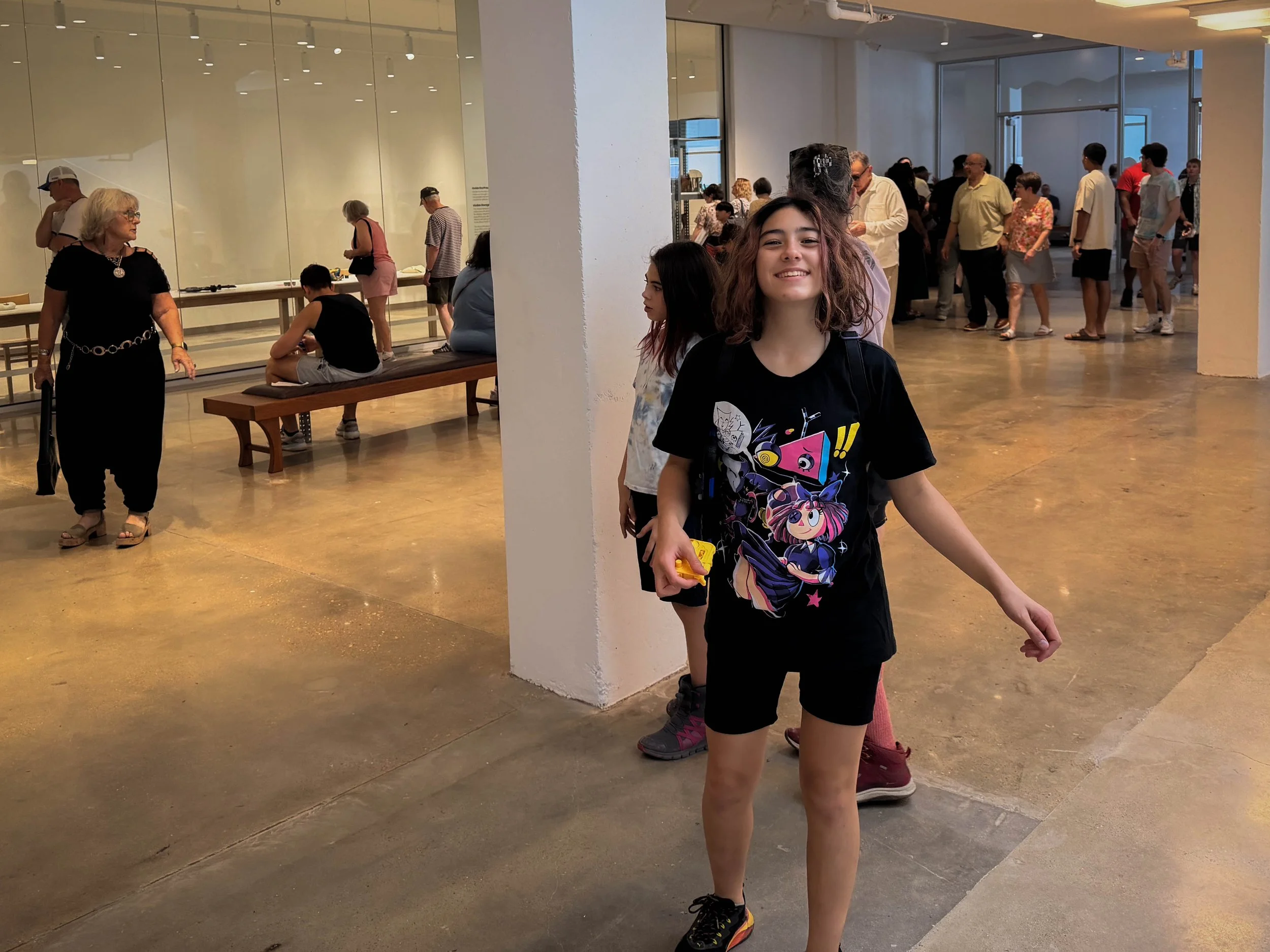
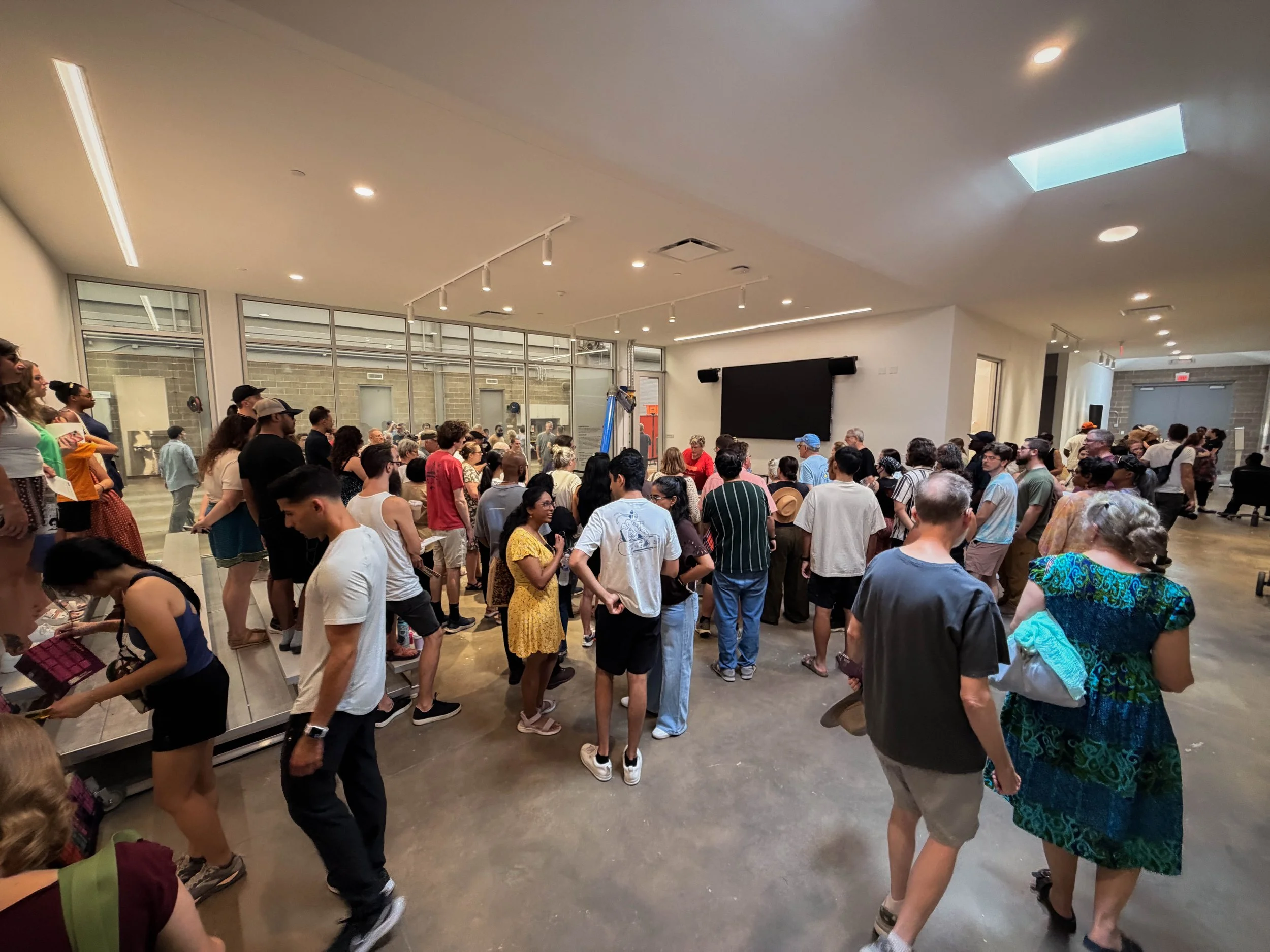
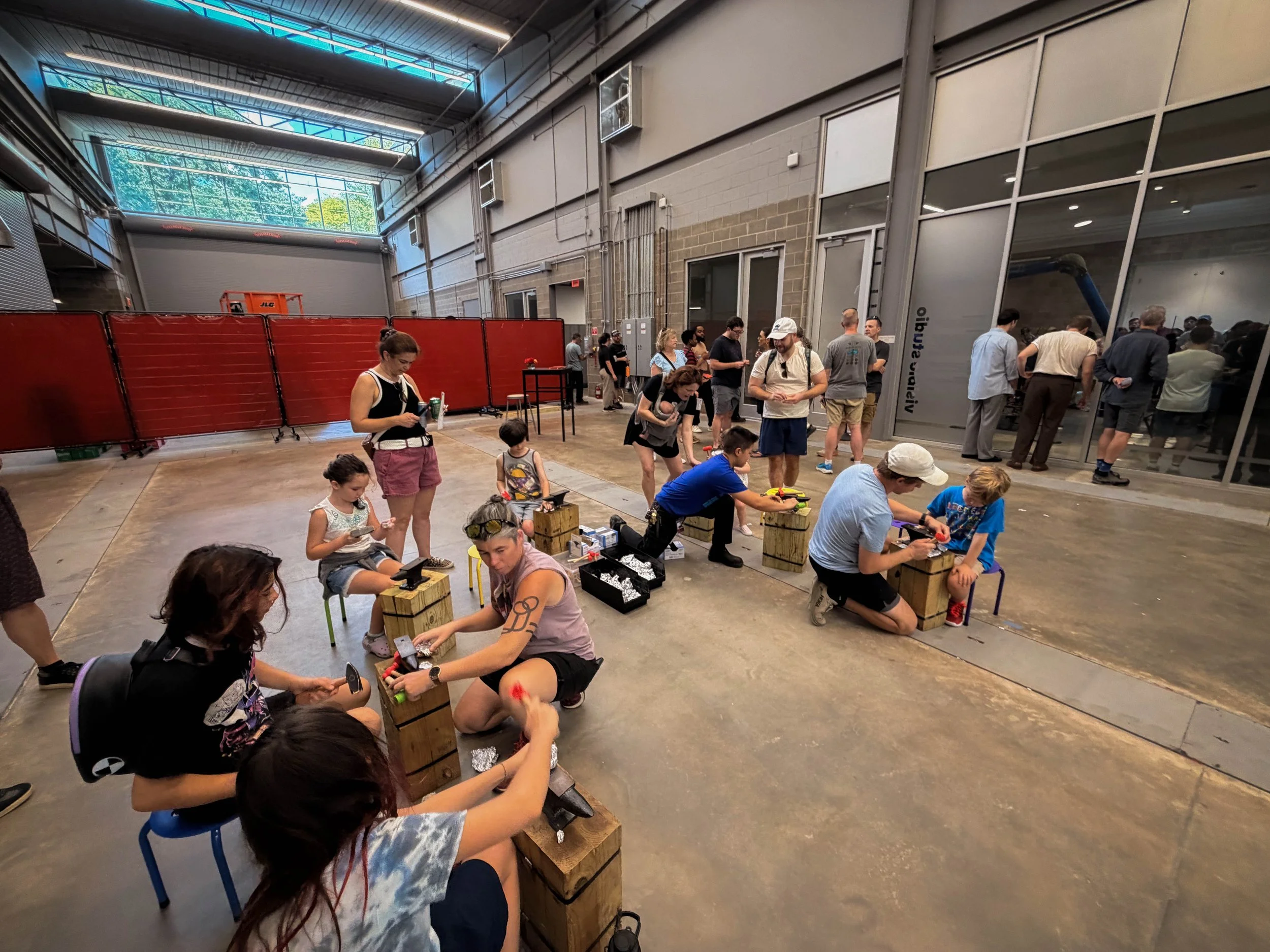
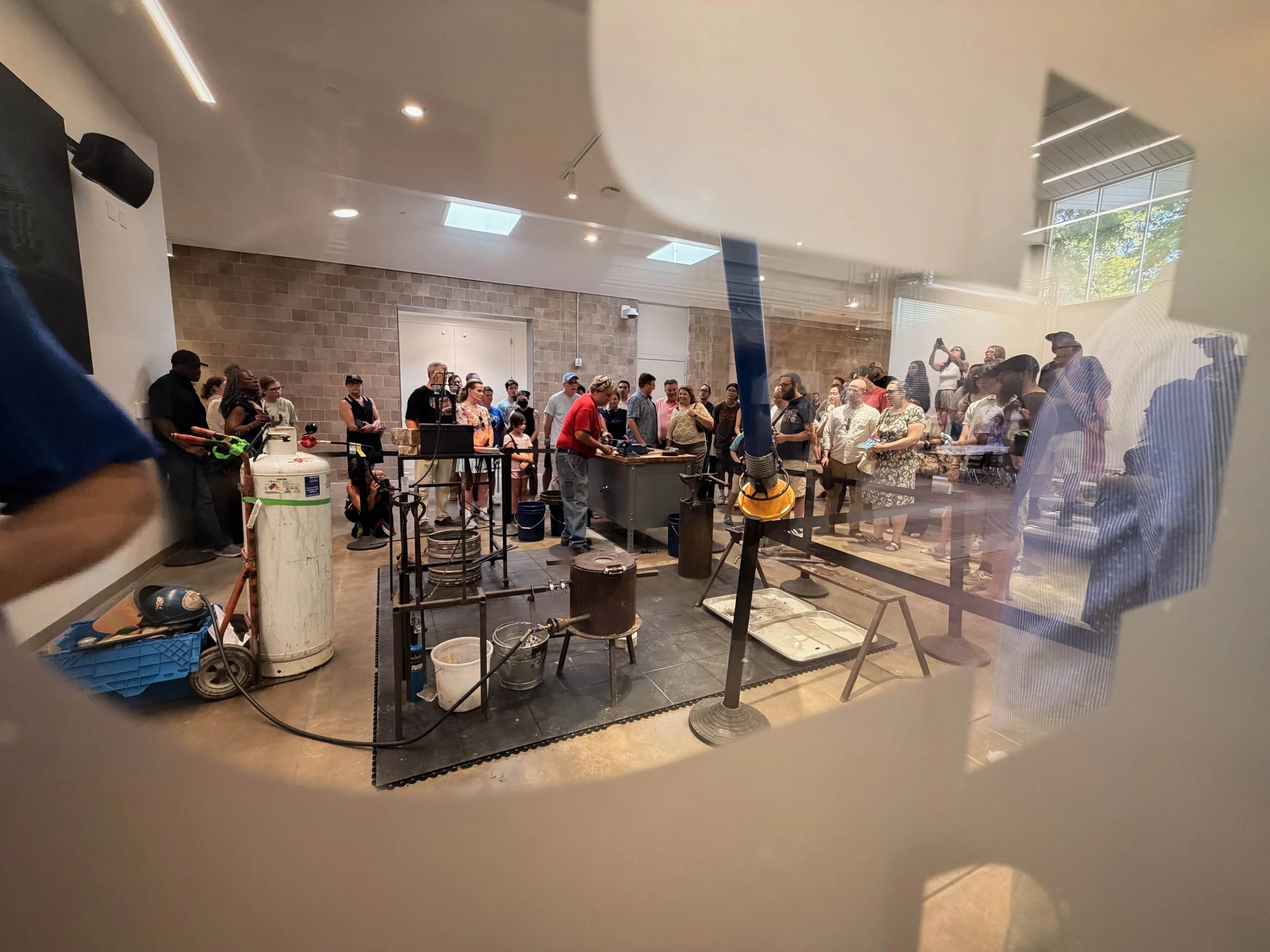
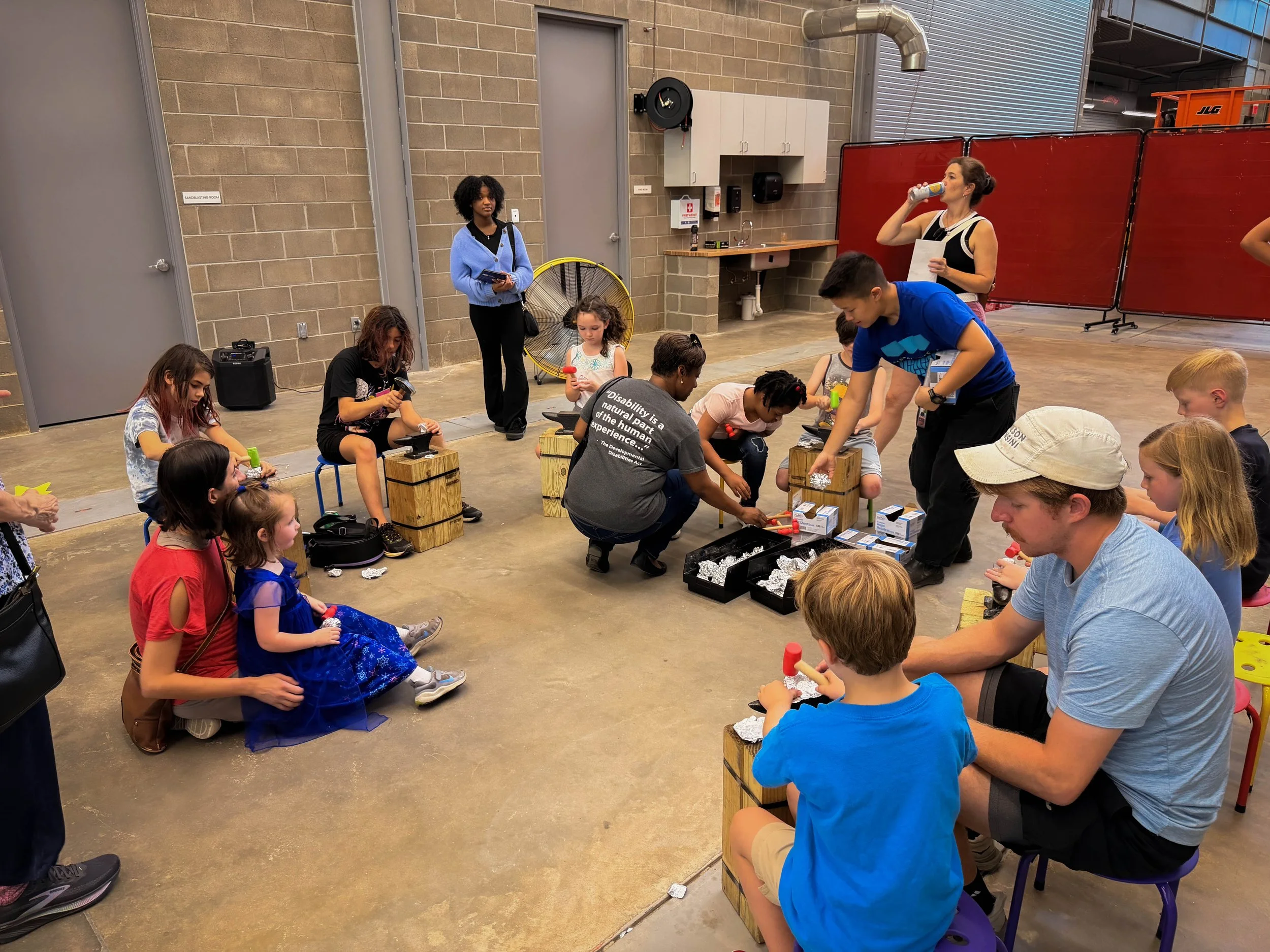
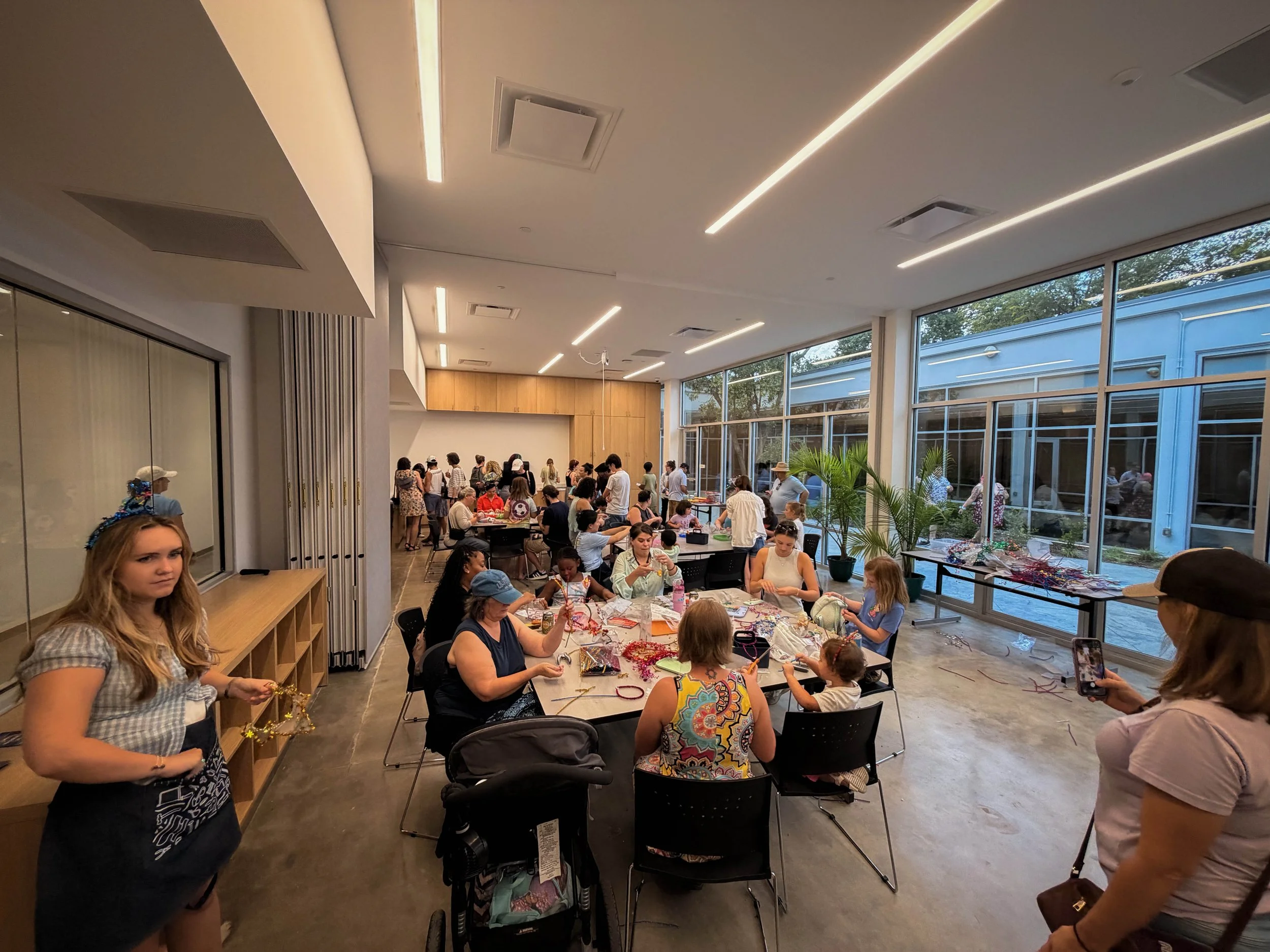
The Metal Museum celebrated the public opening of its Overton Park campus on Saturday, September 5, with inaugural exhibitions, live metalworking demonstrations, hands-on activities and entertainment. It marked what the museum has called the most significant transformation in its 47-year history.
Rust Hall first became the home of the Memphis Academy of Arts—later Memphis College of Art—in 1959. Designed by Memphis architect Roy Harrover, it is one of the city’s important mid-century buildings. The renovation preserves that history while adapting the approximately 80,000-square-foot structure for a new generation of artists, students and visitors.
The overall campus design was developed by Los Angeles-based wHY Architecture, with Memphis firm LRK serving as executive architect and Ritchie Smith Associates as the local landscape-design consultant. LRK has a strong record of bringing significant Memphis buildings back into public use, and I think the team did a great job here. The additions feel like part of the building’s next life rather than an attempt to erase its first one.
That matters. Memphis has too often watched meaningful buildings sit empty, deteriorate or disappear. Adaptive reuse is not only about saving architecture. It is about retaining the memories, identity and creative energy already invested in a place, then giving the community a reason to return.
I love Overton Park, and the Metal Museum is a natural addition to the community already gathered there. The park brings together the Memphis Zoo, the Overton Park Shell, the Old Forest, Rainbow Lake and generations of people who use the park as a shared backyard. Rust Hall was part of that cultural landscape for decades, and the Metal Museum gives it an active public purpose again. I also believe the museum’s presence can strengthen the next chapter of the former Brooks Museum building, whatever organization or use eventually takes it over. Cultural spaces benefit from proximity. Each one gives people another reason to visit, stay longer and see the park as a connected creative district rather than a collection of separate destinations.
I have worked with the Metal Museum many times over the years, and it has long been one of my favorite arts organizations in Memphis. Part of that is the work itself, but a larger part is the community the museum has built around blacksmithing and metal art.
Artists sometimes guard their techniques. That can come from a reasonable desire to protect years of hard-earned knowledge, but it can also make a creative field feel closed and inaccessible. My experience with the Metal Museum has been the opposite. The museum brings metalworkers from Memphis, across the country and around the world together to work, demonstrate, teach and learn. The blacksmiths and metalsmiths I have met through the museum have generally been open with their knowledge—willing to show someone how a process works, explain a tool or share a technique developed through years of practice.
That generosity is not a side benefit of the Metal Museum. It is central to what makes the institution special. The museum does not only display finished objects after the work is done. It lets the public encounter the process: the heat, force, precision, experimentation, teamwork and accumulated knowledge required to transform metal. Its exhibitions, studios, classes, apprenticeships, demonstrations and community programs make the art form visible and approachable at many different levels.
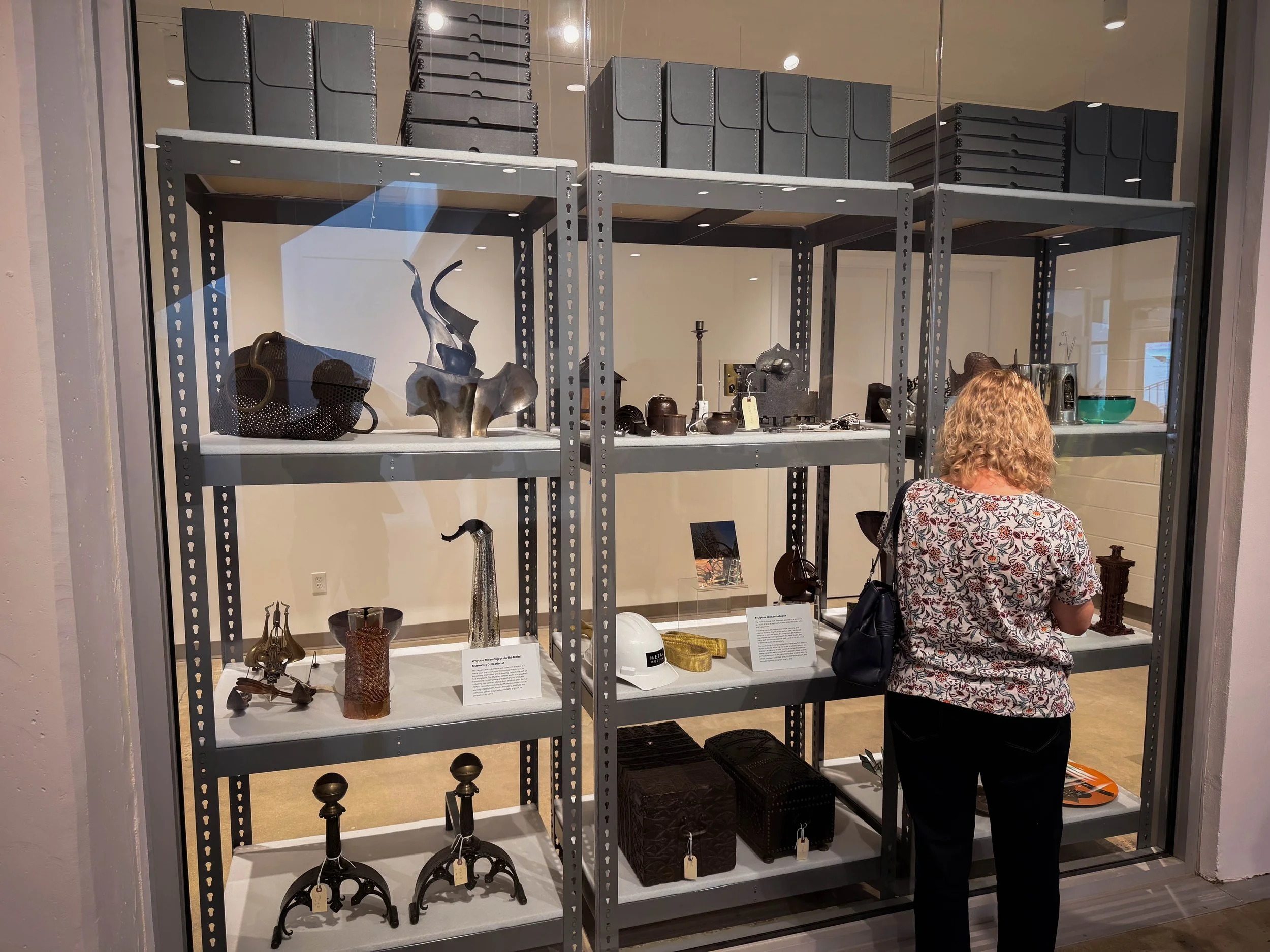
The new Overton Park campus gives that work considerably more room. Rust Hall now includes expanded galleries, classrooms and studios designed for forging, casting and large-scale metal fabrication. Its first major exhibitions reflect both the museum’s history and its working culture. From the Bluff to the Park: The Metal Museum’s Collection Through Time traces the development of the permanent collection from the museum’s founding in 1979 to the present. Strike! Pour! Create!: Works by Metal Museum Apprentices features work by more than 20 people who have lived, worked and learned through the museum’s apprenticeship program, with an emphasis on the teamwork that metalworking requires.
The move does not mean the Metal Museum is abandoning its original grounds overlooking the Mississippi River. The museum says its bluff campus will take on a new role centered on an artist-residency program, with additional public engagement planned for 2027. Taken together, the two locations have the potential to give Memphis something rare: an institution that presents metalwork, teaches it, supports its practitioners and gives visiting artists the time, space and equipment to develop new work.
I am happy to see Rust Hall open again. I am especially happy that the organization bringing it back is one that understands that a creative institution is not defined only by the objects it holds, but by the people it brings together and the knowledge they share.
Congratulations to the Metal Museum, its staff, artists, supporters and the full design and construction team for getting this done. Memphis College of Art’s chapter in the building will always matter to those of us who studied and worked there. The best tribute to that history is not to freeze the building in time. It is to keep art being made inside it.
The fire is lit again at Rust Hall. I cannot wait to see what comes from it.

Christopher Reyes, Jon W Sparks, Maritza Dávila. Metal Museum 2026
Metal Museum opens in Overton Park 2026